Sezioni




Native
| 30/09/2026


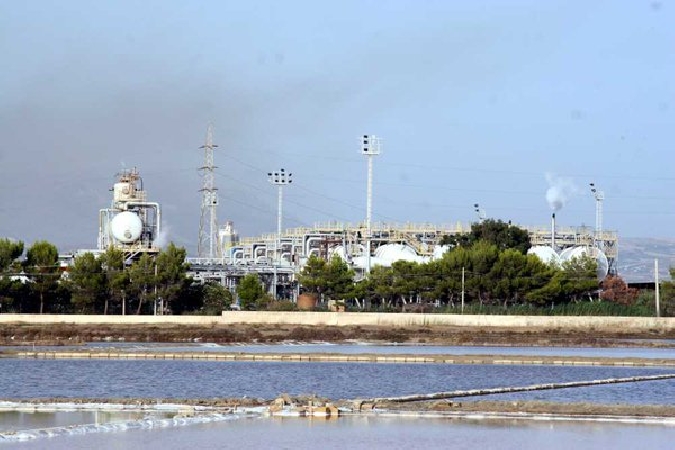
They arrived with great fanfare, enclosed in 18 containers, accompanied by triumphant declarations from President Schifani: "A concrete response to the water emergency". The three desalinators destined for Gela, Porto Empedocle, and Trapani were presented as a major turning point to combat drought in Sicily. However, the numbers tell a different story.
Saltwater, High Expectations
The three mobile plants operate using the reverse osmosis system, and each can produce up to 96 liters of potable water per second. In total, they will cover the needs of approximately 130,000 people. The problem is that Sicily has almost five million inhabitants, not counting tourists. Palermo alone consumes over 2,500 liters per second. The math is clear.
These plants are more suited for small islands, where desalination represents one of the few alternatives to water transported by ship. But for a vast territory like Sicily, it's little more than a band-aid on an open wound.
A 100 Million Euro Operation
The total investment is 100 million euros: 90 million guaranteed by the Meloni government before the European elections, and 10 million from the regional budget. This is an enormous expense for a limited benefit, especially considering that management costs must be added to the purchase costs. The plants are energy-intensive, consuming between 4 and 10 kWh per cubic meter of water produced. This is ten times more energy than what is needed to treat water from rivers or lakes.
And then there's brine: the hypersaline residue from the desalination process. Where does it end up? Normally, in the sea, often without adequate treatment. There is still no specific regulation, and the risk to marine ecosystems is concrete.
In Trapani, the Plant Arrives, But the Water Isn't Enough
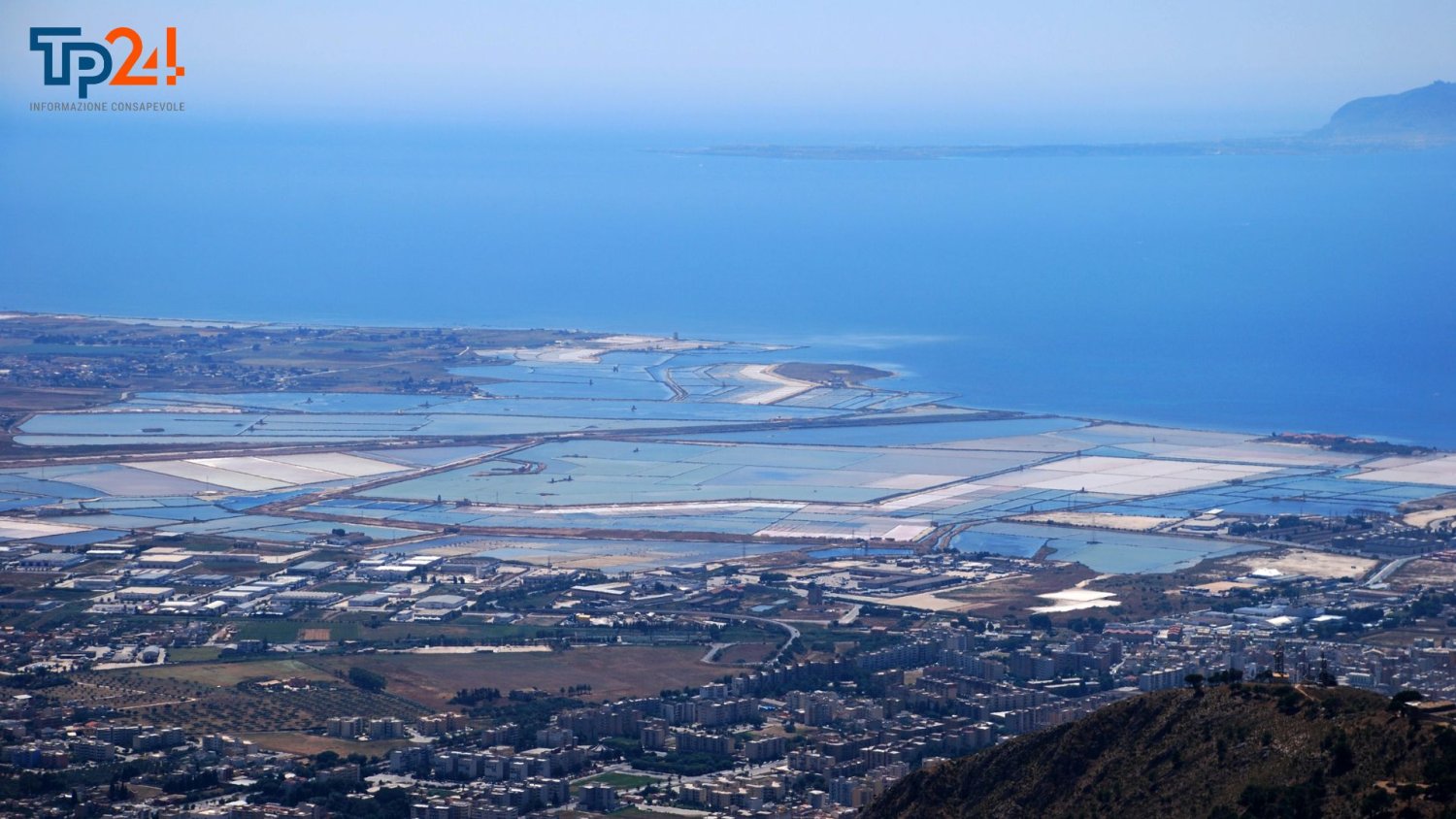
One of the three plants is destined for Trapani, a province that has suffered from rationing, dry wells, and desperate farmers for months. The arrival of the desalinator is welcomed as a hope. But here too, expectations risk turning into disillusionment: the plant's capacity is too low to genuinely impact local needs.
Meanwhile, the conditions of Sicilian reservoirs remain critical. In June 2025, the reservoirs contained just 370 million cubic meters of water, compared to an overall capacity of 950 million. The provinces most in difficulty are Palermo, Trapani, and Agrigento.
The Alternatives? Already Written, But Ignored
Antonella Leto, from the Sicilian Forum of Movements for Water and Common Goods, reiterated this in an interview with Francesca Polizzi for A fuoco: "Desalinators are an emergency solution, not a structural one". She emphasizes that what is needed are "network maintenance, recovery of dams, reuse of wastewater, investments in public management". Suspicions also exist regarding a political and private use of the crisis. Some plants, like those planned for Palermo, could be built through project financing: a shortcut towards water privatization, denounces the Forum.
The Patch and the Tear
Within the framework of European policies, desalination is considered a complementary technology, useful in areas of high water stress. However, it cannot be the only answer. In Sicily, where 52% of the water introduced into the network is lost, before even thinking about new sources, attention should be paid to what already exists and is not working. Desalinators are a patch, and not a very solid one, on a structural tear.
Sicilian water infrastructures are falling apart, yet there is a continued pursuit of impactful solutions that are good for a newspaper headline but less effective at solving thirst. The risk is that, once again, citizens will pay the price. And water, which continues to be scarce in Sicily.

È una delle forme più comuni di comunicazione locale. Esci di casa al mattino e trovi un foglio attaccato accanto all’ingresso: l’acqua verrà interrotta, sarà vietato parcheggiare, sono...
Inaugurazione sabato 26 settembre alle 18:00, in piazza G. Marconi 8. La rete nazionale di assistenza domiciliare, attiva dal 1993, apre un nuovo punto di riferimento per famiglie, anziani e persone fragili del...