Sezioni



03/11/2024 04:10:00
A Tribute to Art and Civic Awareness in Gibellina as the Italian Capital of Contemporary Art for 2026

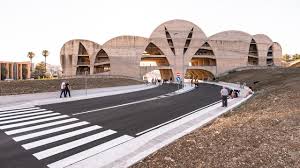
"This is an act of recognition and gratitude towards all the artists who have lived and created in Gibellina. But it is also an act of civic awareness that invests the new generations of the Belice area."
This is the significance of Gibellina being recognized as the Italian Capital of Contemporary Art for 2026. Gibellina, Belice, has triumphed. And it did so with a simple idea, a desire for the future, to rise with art from the tragedy of the earthquake. It did so following in the footsteps of Ludovico Corrao, who brought artists from around the world to the new Gibellina from the ruins of the earthquake. Today, more than 50 years later, that dream has been partially realized.
For Gibellina and the entire Belice area, being the Italian Capital of Contemporary Art could be the right moment to look to the future. To those generations who know of the earthquake from their grandparents' stories. To those young people who may leave, yes, but perhaps proudly from a city that has found redemption in art.
The Reasons These are the reasons given by the jury, formed after the selection process was conducted independently by its members: “The first 'Italian Capital of Contemporary Art' with its candidacy offers our country a solid and comprehensive project, delivering to today's Italy a model of cultural intervention, founded on values and actions that recognize art's social function and culture as a common good. For its projective ability to reactivate its extraordinary heritage of works, blending memory and future, conservation and valorization, local focus and international ambition; for its ability to involve new generations and the entire citizenship, addressing the broader territory on the basis of shared civic awareness, forging alliances with public and private, national and international institutions; for being a pioneer city of what we now define as urban regeneration, and for the ability to be both a city-artwork and a livable city: for its project, with which the city will become a major laboratory where the practices and energies of contemporary art will be called to share thoughts and solutions on the themes of public space, community, landscape, sustainability, and the comprehensive concept of legacy."
The Project “Bring me the future. Was this perhaps the request that Ludovico Corrao posed to the artists, architects, and intellectuals he called to rebuild Gibellina? Certainly, it was the tension towards a future of rebirth after the earthquake disaster of 1968 that made Gibellina an open-air artistic laboratory. A laboratory of ideas, artistic projects but above all a community laboratory.” "Bring me the future" is the title of the project with which Gibellina was nominated as the Italian Capital of Contemporary Art. A project authored by Roberto Albergoni and his staff that synthesizes a journey of 50 years, which finds its greatest gratification today.
“Material, colors, ideas, poetry, music, and words have created the new Gibellina, realizing a unique experience in Italy and Europe. A complex experience that disoriented the predominantly agricultural community of old Gibellina. Modernity imposed itself with an urban plan conceived on the drawing boards of distant architects, unaware of the local society's needs. It was then up to artists and other architects to make sense of that layout and rethink urban spaces as places of life, of relationships between people, between people and public spaces.”
For the authors of the project, "art has been the tool capable of reconnecting streets, homes, and its inhabitants. 50 years from the start of that journey, never completed and never halted, Gibellina calls upon the world of Italian and international contemporary art to reflect and produce new works. Along with the protagonists of the past, who return today with conscious and renewed energy, younger artists and curators are called to Gibellina.”
In the project, Gibellina, in its being a City of Contemporary Art, offers itself to the artistic community as "a laboratory of experimentation to investigate common themes starting from the many reconstructions that need to be activated from the rubble of the contemporary. Physical rubble, like the houses and cities destroyed by wars, and ideological rubble due to the dissolution of visions of the future." And, thus, the request Bring me the Future, “addressed to artists, has an international echo in all places, physical and of the soul, that want to initiate processes of rebirth from the rubble.”
Native
| 07/09/2026
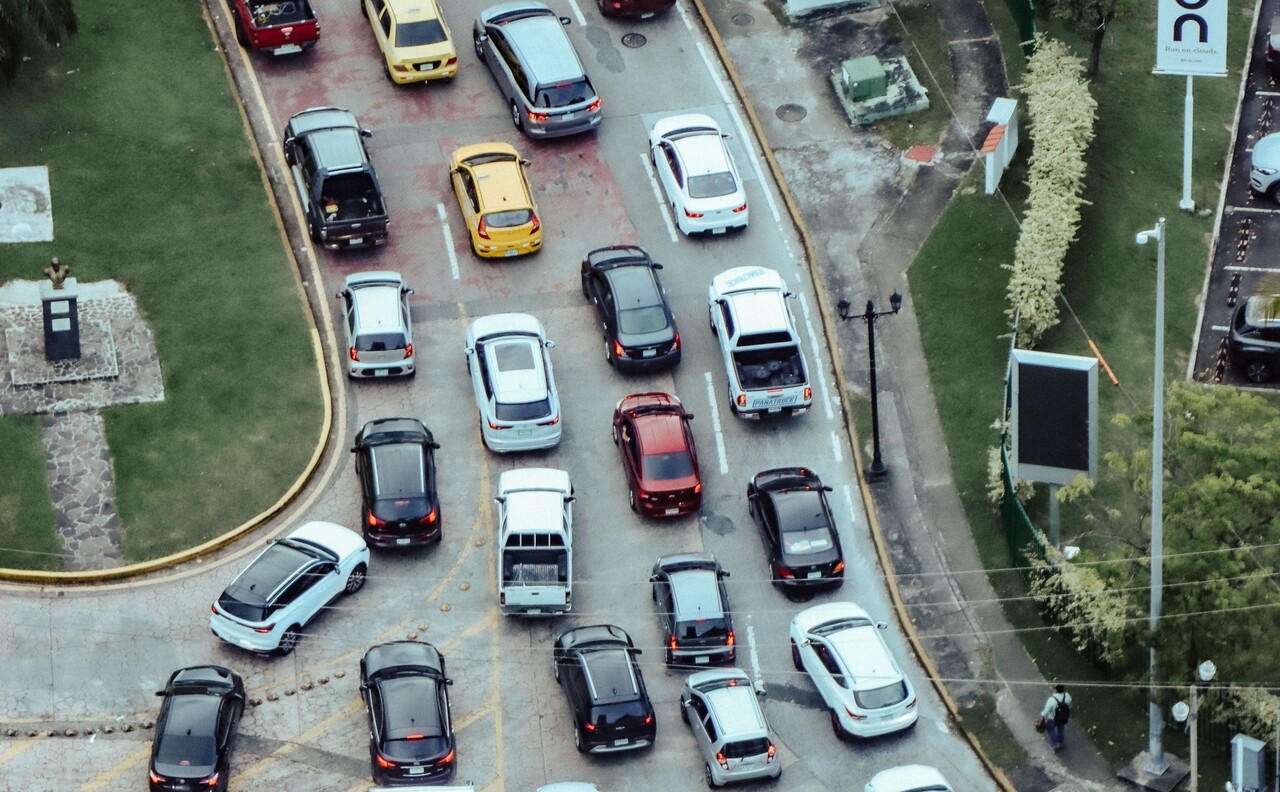
Come il traffico di Trapani mette alla prova le pastiglie dei freni
Semafori, rallentamenti, ripartenze e frequenti cambi di velocità fanno parte della guida quotidiana in città. A Trapani, inoltre, la viabilità è stata interessata negli ultimi mesi da diversi...
Native
| 04/09/2026
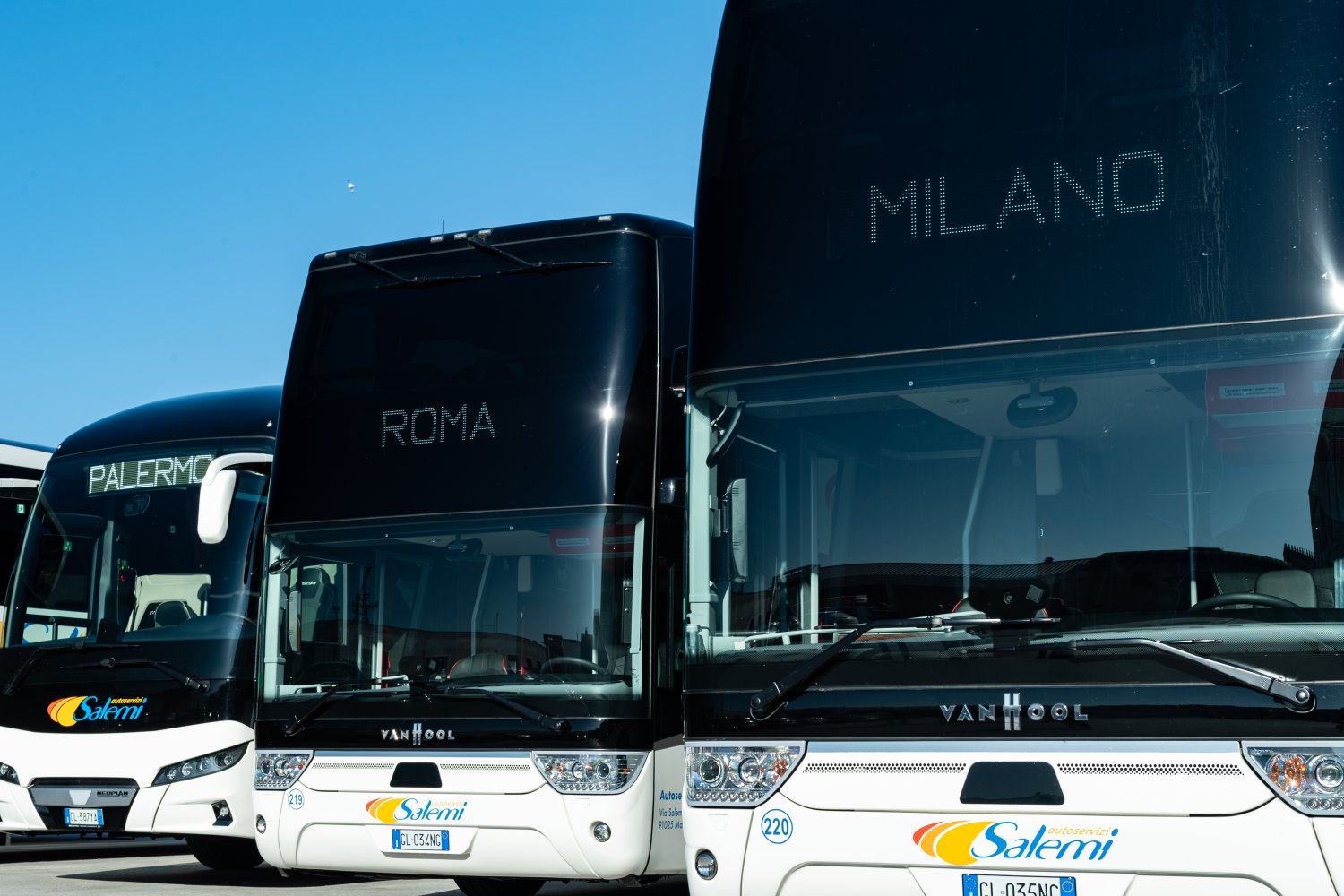
Dalla Sicilia a Roma: quando il viaggio in autobus può costare meno...
Tra voli, bagaglio, trasferimenti da e per gli aeroporti e prezzi che cambiano rapidamente, organizzare un viaggio dalla Sicilia verso Roma può trasformarsi in una piccola caccia alla tariffa giusta.C’è...
Native
| 29/08/2026